
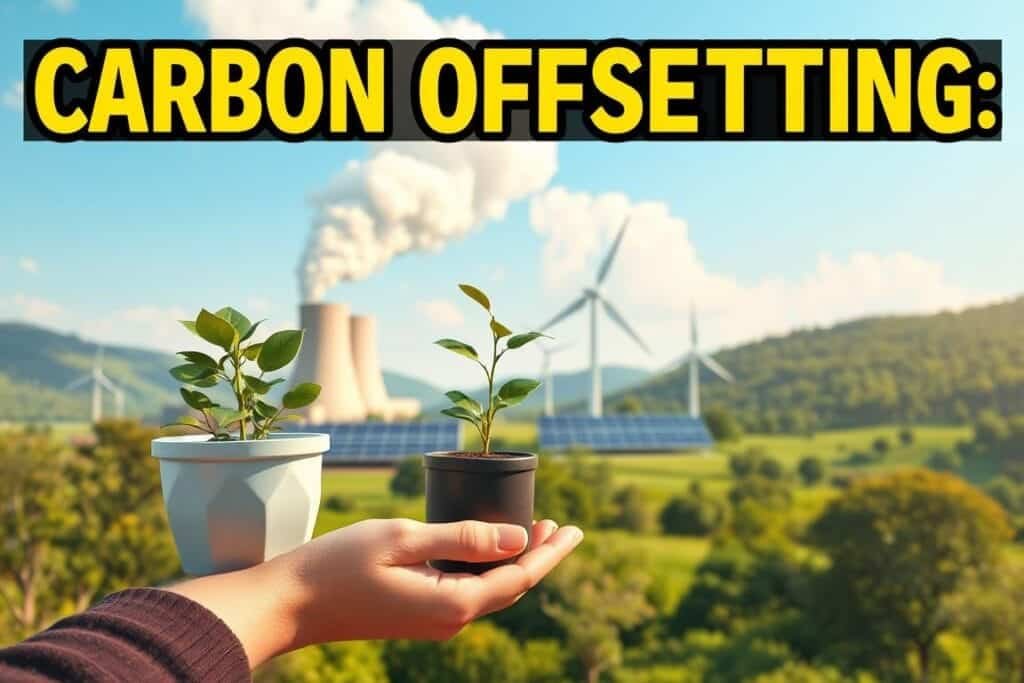
Climate change is changing our world fast carbon offsetting is a key way to fight it. It lets you balance out your carbon footprint and help the planet.
Our planet is facing big environmental problems. But, people and companies are finding new ways to help. Carbon offsetting is a way to cut down on harmful emissions and support green projects around the world.
Learning about carbon offsetting lets you join the fight against environmental harm. It doesn’t matter if you’re just starting out or leading a business. This guide will show you how to make a big difference for our planet’s future.
Key Takeaways
- Carbon offsetting is a critical climate action strategy
- Individuals and businesses can participate in emission reduction
- Projects range from renewable energy to reforestation
- Carbon offsetting helps combat global climate change
- Everyone can contribute to environmental sustainability
What is Carbon Offsetting?
Our planet is like a delicate ecosystem with a balance of carbon emissions. Carbon offsetting is a way to reduce our environmental impact. It helps us and businesses lower our carbon footprint.
Carbon offsetting is about balancing our carbon emissions. We do this by investing in projects that cut down greenhouse gases. It’s like a financial balance, but for carbon.
Understanding the Basics
Carbon offsetting works in several ways:
- Investing in renewable energy projects
- Supporting reforestation initiatives
- Funding methane capture programs
- Developing sustainable agricultural practices
Why Carbon Neutrality Matters
Reaching carbon neutrality is key to protecting our planet. By offsetting carbon, we can:
- Reduce greenhouse gas emissions
- Support sustainable development
- Mitigate climate change impacts
- Create jobs in green technologies
Carbon offsetting is a practical way for us to take action against climate change. It helps us meet our future sustainability goals.
How Does Carbon Offsetting Work?
Carbon offsetting is a key way to help the environment. It lets people and companies lower their carbon footprint. This is done by investing in projects that cut down greenhouse gas emissions.
The science behind carbon offsetting is both smart and detailed. It uses a credit system. This means companies can:
- Invest in renewable energy projects
- Support reforestation efforts
- Fund methane capture initiatives
- Develop sustainable agricultural practices
Understanding Carbon Credit Generation
Carbon credits are made from projects that cut down greenhouse gas emissions. These projects are checked to make sure they work. Each carbon credit usually means one metric ton of carbon dioxide is removed.
Some projects that make carbon credits include:
- Wind and solar energy development
- Forest conservation programs
- Methane capture from landfills
- Sustainable agriculture techniques
“Carbon offsetting transforms environmental challenges into opportunities for meaningful change.” – Climate Action Experts
Carbon offsetting is great because it helps the environment and supports local economies. By backing these projects, people and companies help the planet.
Benefits of Carbon Offsetting
Carbon offsetting is more than just doing good for the planet. It’s a powerful way to live sustainably and make a difference in many areas. Let’s see how it can change how we tackle climate change.
Exploring carbon offsetting shows us a smart way to tackle big global problems. It benefits the environment, economy, and society. This makes it a great choice for those who want to make a positive impact.
Environmental Advantages
Carbon offsetting has big wins for the environment:
- It cuts down greenhouse gas emissions
- It helps protect biodiversity
- It restores ecosystems
- It fights climate change
Economic Impact
Carbon offsetting also boosts the economy in exciting ways:
| Economic Benefit | Description |
|---|---|
| Job Creation | Green projects create new jobs |
| Investment Attraction | It draws in sustainable businesses |
| Innovation Stimulus | It pushes for clean energy tech |
Social Transformation
Carbon offsetting also brings social benefits:
- It raises community standards of living
- It boosts rural areas
- It raises global awareness of the environment
- It fights for social fairness
By choosing carbon offsetting, we start a chain of positive changes that affect our whole world.
Carbon Footprint Calculation

Measuring your carbon footprint is the first step to understanding your environmental impact. Knowing how much carbon you generate is key to reducing your footprint. This awareness is the foundation of green practices.
Exploring Your Personal Carbon Impact
Every choice we make affects the environment. From what we eat to how we travel, our actions add up. By calculating your carbon footprint, you can see where to make changes.
- Transportation choices
- Energy consumption
- Diet and food choices
- Waste production
Powerful Tools for Carbon Emission Tracking
There are many tools to help you track your carbon footprint. These tools make it easy for anyone to start reducing their carbon emissions.
| Tool Name | Key Features | Accessibility |
|---|---|---|
| EPA Carbon Footprint Calculator | Comprehensive household emissions tracking | Free, web-based |
| Carbon Footprint Ltd Calculator | Detailed personal and business emissions analysis | Online, mobile-friendly |
| CoolClimate Network Calculator | Advanced calculation with regional comparisons | Free university-developed tool |
Understanding your carbon footprint opens doors to making a difference. Knowledge is the first step toward positive environmental change.
Every small action counts in reducing our collective carbon impact.
Types of Carbon Offsetting Projects
Carbon offsetting is a key way to fight climate change. It involves projects that cut down or remove greenhouse gases in many areas. Let’s look at the most effective projects changing our planet.
There are many ways to fight climate change through carbon offsetting. Each project has its own benefits for the environment.
Renewable Energy Projects
Renewable energy is a big part of carbon offsetting. These projects make clean electricity and cut down carbon emissions a lot.
- Solar panel installations
- Wind farm developments
- Hydroelectric power generation
- Geothermal energy systems
Reforestation and Afforestation
Tree-planting is a natural way to offset carbon. Forests are great at pulling carbon dioxide out of the air.
| Project Type | Carbon Absorption Capacity | Extra Benefits |
|---|---|---|
| Tropical Reforestation | 10-20 tons CO2/hectare/year | Biodiversity protection |
| Temperate Forest Restoration | 5-10 tons CO2/hectare/year | Wildlife habitat creation |
| Urban Tree Planting | 1-5 tons CO2/hectare/year | Urban heat island mitigation |
Methane Capture and Landfill Projects
New methane capture tech turns waste into a carbon offsetting chance. It grabs methane from landfills, stopping it from being a greenhouse gas.
- Landfill gas collection systems
- Agricultural waste methane conversion
- Wastewater treatment methane capture
Carbon offsetting projects show our ability to tackle climate issues. By supporting these efforts, we can help the environment a lot.
Key Carbon Offsetting Standards

Carbon offsetting is key in fighting climate change. Several strict standards have come up to make sure it’s done right. These standards help prove that efforts to be carbon neutral are real and effective.
Groups wanting to help the environment use special certifications. These certifications check if carbon offset projects really work. Let’s look at the top standards leading climate action globally.
Verified Carbon Standard (VCS)
The Verified Carbon Standard, made by Verra, is a top choice for carbon offsetting. It stands out because of:
- Strict project checks
- Full checks on greenhouse gas cuts
- Worldwide respect for carbon neutrality
Gold Standard
The Gold Standard, by the World Wildlife Fund, does more than just cut carbon. It also makes sure projects help communities. Its special features are:
- Tough rules for social and environmental impact
- Checks on how projects affect communities
- A full view of climate action
Carbon Trust Standard
The Carbon Trust Standard has a detailed plan for cutting carbon emissions. Its main points are:
- Clear ways to measure carbon
- Tracking progress to keep improving
- Worldwide trust in managing emissions
| Standard | Focus Area | Key Benefit |
|---|---|---|
| VCS | Carbon Reduction | Global Project Validation |
| Gold Standard | Sustainable Development | Community Impact |
| Carbon Trust | Emissions Management | Continuous Improvement |
Knowing these standards helps groups and people make smart choices in carbon offsetting. It leads to real climate action and a greener future.
The Role of Businesses in Carbon Offsetting
Businesses are now key players in making our planet greener. As the world faces more environmental issues, companies are stepping up. They are working hard to cut down on carbon emissions and support green projects.
Corporate Social Responsibility in Action
Today, companies are moving away from just making money. They are focusing on taking care of the environment too. This means they are not just giving back, but also working to reduce carbon emissions.
- Implementing thorough carbon management plans
- Putting money into renewable energy
- Backing carbon offset projects around the world
Strategic Emission Reduction Approaches
Good businesses use many ways to lower their carbon footprint. They make changes inside their companies and also invest in projects that offset carbon emissions.
| Strategy | Carbon Reduction Impact |
|---|---|
| Energy Efficiency Upgrades | 15-30% reduction |
| Renewable Energy Adoption | 40-60% reduction |
| Carbon Offset Investments | 10-25% neutralization |
Success Stories of Green Innovation
Companies like Microsoft, Patagonia, and Google are leading the way in being green. They show that caring for the environment and making money can go hand in hand.
“Our planet’s health is not a choice, but a business imperative.” – Sustainable Business Leader
By choosing to offset carbon, businesses are doing more than just helping the environment. They are also building value for everyone involved, from employees to the global community.
Individual Contributions to Carbon Offsetting

Every person can make a big difference in reducing carbon emissions. Green practices aren’t just for big companies. They start with our daily choices and actions.
Starting your journey to reduce carbon footprint is fun and easy. Small steps can add up to big changes when many people do them.
Getting Started with Personal Carbon Reduction
- Calculate your personal carbon footprint using online calculators
- Invest in carbon offset programs directly aligned with your lifestyle
- Choose sustainable transportation options
- Reduce energy consumption at home
Practical Green Practices for Everyday Living
Green practices don’t need big changes. Simple changes can help a lot in reducing carbon emissions.
| Action | Carbon Impact | Difficulty Level |
|---|---|---|
| Using reusable shopping bags | Reduces plastic waste | Easy |
| Eating plant-based meals | Lowers agricultural emissions | Moderate |
| Walking or cycling short distances | Minimizes transportation emissions | Easy |
Remember, your individual actions create a collective impact. Every sustainable choice matters in the global effort to combat climate change.
“Small acts, when multiplied by millions of people, can transform the world.” – Howard Zinn
Common Myths About Carbon Offsetting
Carbon offsetting is often misunderstood. Many people find it hard to tell what’s true and what’s not. Let’s clear up some common myths about carbon offsetting.
Unpacking the Misconceptions
Some people think carbon offsetting is just a way for companies to look green. Research shows that’s not true. Companies are really working to help the planet.
- Myth: Carbon offsetting is just greenwashingReality: Many offset projects do real good for the environment and people too.
- Myth: Offsets don’t actually reduce emissionsReality: Real projects help cut down global emissions and support green growth.
Understanding the Real Impact
Carbon offsetting isn’t perfect, but it’s very important. The numbers show its big impact:
| Offset Impact | Annual Contribution |
|---|---|
| Businesses Investing | 314 companies |
| Total Investment | $42 billion |
| Carbon Dioxide Equivalent | 39.8 million tonnes |
These numbers prove carbon offsetting is more than just a gesture. It’s a big step towards solving climate problems with smart investments and new ideas.
Choosing a Carbon Offset Provider
Finding the right carbon offset provider can seem daunting. It’s vital for real environmental change and cutting down carbon footprints.
When looking at carbon offset partners, keep these points in mind:
- Transparency in project reporting
- Verified carbon credit standards
- Diverse portfolio of environmental projects
- Third-party certification
- Clear impact measurement metrics
Key Evaluation Criteria
Your carbon offset provider should show a strong commitment to the environment. Look for groups that:
- Give detailed project info
- Let you track carbon reduction live
- Support sustainable development
Recommended Providers
Top carbon offset providers are known for their global environmental work. Climate-focused nonprofits and verified carbon credit platforms are the best choices for those wanting to cut their carbon footprint.
Do your homework. Check each provider’s methods, project types, and proven results before choosing.
Future of Carbon Offsetting
The world of sustainable living is changing fast, with carbon offsetting playing a big role. New technologies and smart strategies are changing how we face global environmental issues. With things like advanced carbon capture and blockchain tracking, we’re making progress in reducing carbon emissions.
New energy sources and carbon removal tech are opening up new possibilities. Big names like Microsoft and Google are backing direct air capture tech. This tech pulls carbon dioxide straight from the air, giving us new ways to help the planet.
Emerging Trends in Climate Solutions
Online platforms are making it easier to live sustainably. AI and machine learning help track and improve carbon reduction plans. Now, apps let people see their carbon footprint and take action right away.
Building a Sustainable Global Future
The next ten years are key in our battle against climate change. Carbon offsetting is now essential for a green, strong global community. As tech improves and awareness grows, our choices can really make a difference for the planet.