Some places on Earth are so far from other people that they redefine the meaning of solitude. Remote islands, frozen continents and vast deserts can be days or weeks away from the nearest city.
This journey visits some of the loneliest places on the planet, from inhabited islands in the middle of the ocean to landscapes where almost nobody lives at all.
Key Takeaways
- Tristan da Cunha is often called the most remote inhabited archipelago in the world
- Point Nemo is the spot in the ocean farthest from any land
- Antarctica has no permanent population, only researchers and support staff
- The Atacama Desert is one of the driest places on Earth
- Traveling to remote places requires careful planning
What Makes a Place Lonely?
Geographers usually measure isolation by:
- Distance from other populated places
- Population density
- How difficult the place is to reach
- How harsh the conditions are
The Most Isolated Places on the Planet
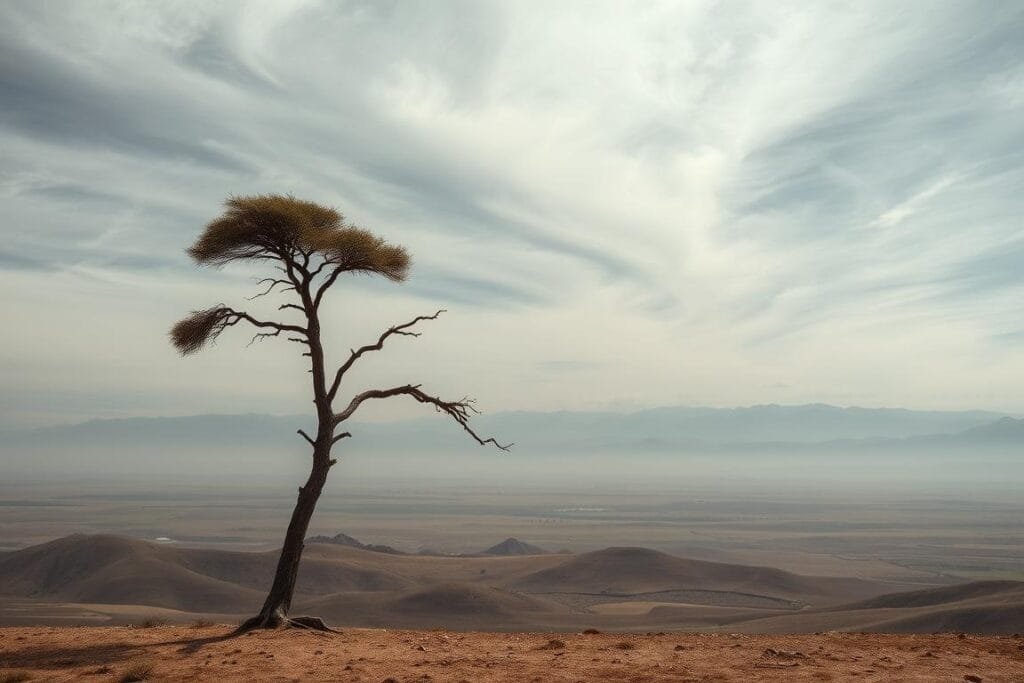
Tristan da Cunha
In the South Atlantic, Tristan da Cunha is home to around 250 people living in a single settlement, Edinburgh of the Seven Seas. The nearest inhabited place is Saint Helena, more than 2,000 kilometers away, and there is no airport. Visitors arrive by ship, a journey of about a week from South Africa.
Point Nemo
Point Nemo, in the South Pacific, is the point in the ocean farthest from any land, about 2,700 kilometers from the nearest islands. Often, the closest humans are astronauts on the International Space Station passing overhead.
Antarctica
Antarctica has no permanent population. A few thousand researchers and staff live there in summer, and far fewer in winter. McMurdo Station, the largest base, lies about 1,350 kilometers from the South Pole. Argentina’s Esperanza Base and Chile’s Villa Las Estrellas are among the few places where families live.
- The lowest natural temperature on Earth, about −89 °C, was recorded at Russia’s Vostok Station
- Winter brings months of darkness near the pole
- Wildlife, especially penguins and seals, far outnumbers people
The Atacama Desert
Chile’s Atacama Desert stretches for about 1,000 kilometers along the Pacific coast. Some weather stations there have recorded almost no rain for decades, and NASA has tested Mars rovers in its barren landscape. Despite this, towns such as San Pedro de Atacama attract many visitors.
Other Remote Regions
- Greenland’s vast ice sheet, with most people living along the coast
- Alaska’s Yukon-Koyukuk area, one of the least densely populated regions of the United States
- Namibia’s deserts, in one of the least densely populated countries in the world
Life in Extreme Isolation
Ancient Underground Cities and Hidden Tunnels Around the World
Antarctic Research Stations
People who spend the winter in Antarctica face long darkness, extreme cold and months without new arrivals. Station teams rely on each other, and space agencies study them to learn how people cope with isolation on long missions.
Palmerston Island
Palmerston Island, in the Cook Islands, has only a few dozen residents, most of them descended from a single English settler, William Marsters, who arrived in the 1860s. Supply ships visit only a few times a year.
Nature’s Harshest Landscapes
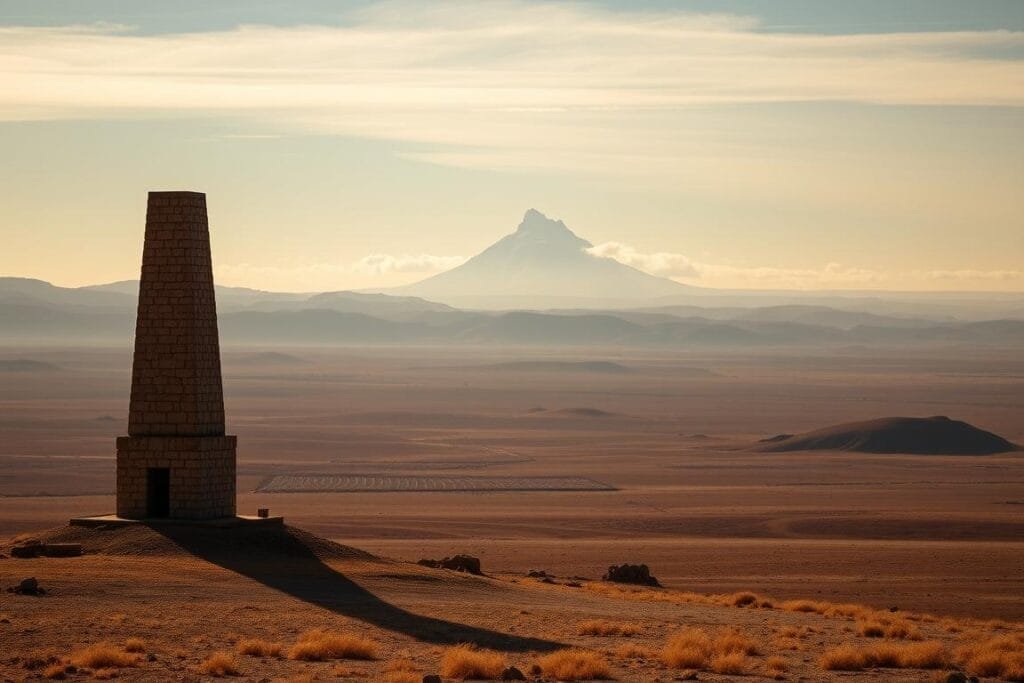
Death Valley
Death Valley in California holds the official record for the highest air temperature ever measured on Earth, 56.7 °C (134 °F), recorded in 1913. Its salt flats, dunes and canyons look like an alien world.
Socotra Island
Socotra, off the coast of Yemen, has been isolated for millions of years. Around a third of its plant species are found nowhere else, including the umbrella-shaped dragon’s blood tree.
Travel Tips for Visiting Remote Places
- Lightweight, layered clothing for extreme temperatures
- A water filter and extra water
- A satellite communicator or emergency beacon
- A first aid kit
- A portable charger
- An emergency thermal blanket
Safety Protocols
- Share your travel plans with someone you trust
- Check how far the nearest medical help is
- Learn basic first aid
- Get travel insurance that covers evacuation
- Carry a backup way to communicate
Why Remote Places Fascinate Us
In a busy, connected world, places with almost no people offer silence, wild landscapes and time to reflect. They also remind us how people have adapted to live in some of the most challenging environments on Earth.
FAQ
What is the most remote inhabited place on Earth?
Tristan da Cunha in the South Atlantic is often described as the most remote inhabited archipelago, with around 250 residents and no airport.
Are there places on Earth with no permanent residents?
Yes. Antarctica has no permanent population, only rotating researchers and staff. Many remote islands are also uninhabited.
What is Point Nemo?
Point Nemo is the point in the ocean farthest from any land, in the South Pacific, about 2,700 kilometers from the nearest islands.
What equipment is essential for traveling to remote locations?
A satellite communicator, first aid kit, suitable clothing, water filter, navigation tools and extra supplies are essential.